
graphics card PCB affect GPU cooling
A graphics card PCB (Printed Circuit Board) plays a crucial role in the overall performance of a graphics card, and one of the most important aspects it affects is the GPU cooling. As the GPU (Graphics Processing Unit) performs complex calculations to render graphics, it generates significant amounts of heat. This heat must be managed effectively to prevent performance degradation, thermal throttling, or even hardware failure. The design and materials of the graphics card PCB directly influence how well the cooling system can dissipate this heat, which is why understanding the connection between the graphics card PCB and GPU cooling is essential for anyone looking to optimize their graphics card performance.
The graphics card PCB is responsible for providing the foundation on which the cooling components, such as heat sinks, thermal pads, and fans, are mounted. A well-designed PCB will feature ample space and efficient layouts to allow for effective thermal dissipation. The placement of components on the graphics card PCB can impact airflow and heat distribution. For example, if the PCB is crowded with components that block the airflow around the GPU or VRAM, it may lead to hotspots that can increase the temperature of the card. In contrast, a high-quality graphics card PCB design will optimize component placement to ensure that heat is evenly distributed and can be efficiently transferred away from sensitive components.
Thermal vias are another important feature of the graphics card PCB that significantly affects cooling. Thermal vias are tiny holes in the PCB that are filled with metal to conduct heat away from the GPU and other heat-sensitive components. These vias connect the layers of the PCB and direct the heat toward the back of the card or towards a dedicated heat sink. The more thermal vias a graphics card PCB has, the better it can manage heat flow, ensuring that the GPU stays within optimal temperature ranges. A PCB with insufficient thermal vias can lead to poor heat management, resulting in thermal throttling that reduces the GPU’s performance.
The graphics card PCB also influences the type of cooling solution that can be used. High-end graphics cards with advanced graphics card PCB designs often feature elaborate cooling systems that include multiple heat pipes, large heat sinks, or even liquid cooling solutions. These solutions rely on a high-quality PCB to ensure that the cooling components are securely mounted and effectively channel the heat away from the GPU. If the PCB is poorly designed or made from inferior materials, it can limit the effectiveness of the cooling system and hinder the card’s ability to maintain a stable temperature during demanding tasks.
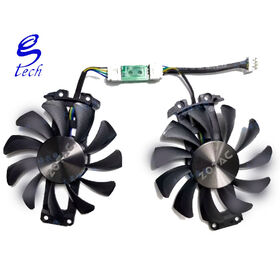
How does a graphics card PCB affect GPU cooling?
In addition to component placement and thermal vias, the graphics card PCB material itself also impacts GPU cooling. For example, high-quality PCBs use thicker copper layers, which are better at conducting heat. Copper is known for its excellent thermal and electrical conductivity, and using thicker copper traces on the graphics card PCB ensures that heat can be quickly transferred away from the GPU and VRAM. This material choice is particularly important for high-performance GPUs that generate a lot of heat during intensive gaming or video rendering tasks. Inferior PCBs with thinner copper traces may not dissipate heat effectively, leading to higher temperatures and potential performance issues.
For those looking to purchase wholesale graphics card pcb products or upgrade their existing system, platforms like Global Sources offer a wide selection of graphics card PCB boards at factory prices. This B2B marketplace connects buyers with verified suppliers and manufacturers from China, India, Korea, and other regions, making it easy to compare prices, review product specifications, and choose the best graphics card PCB for specific cooling and performance needs. Whether you are looking for a high-end graphics card PCB for gaming or professional video editing, Global Sources simplifies the sourcing process by providing access to a vast range of options from trusted suppliers.
In conclusion, the design and material quality of a graphics card PCB have a significant impact on the GPU’s cooling performance. Factors such as component placement, thermal vias, and the type of PCB material used all influence how well heat is managed, affecting the overall stability and performance of the graphics card. A well-designed graphics card PCB not only supports efficient cooling but also ensures that the card performs at its peak without overheating. For those seeking to enhance their cooling systems or source graphics card PCB products in bulk, Global Sources offers a reliable platform to connect with trusted suppliers and find the right components to meet specific cooling and performance requirements.