
magnetic pulse in TMS
Transcranial Magnetic Stimulation (TMS) has become an increasingly well-known treatment option for individuals struggling with major depressive disorder and other mental health conditions that have not responded to traditional therapy or medications. As more people learn about the science behind this non-invasive brain stimulation, one frequently asked question is: How strong is the magnetic pulse in TMS? Understanding the strength and safety of the magnetic pulses used during treatment can help ease concerns and provide clarity about how the technology works. Many individuals considering treatment begin by searching online for tms near me to find professional providers who can explain the process and guide them through their first session.
The magnetic pulses used in TMS are surprisingly powerful in terms of intensity, yet controlled and safe for clinical use. The magnetic field produced by a TMS device is comparable to the strength of an MRI machine, typically reaching up to 1.5 to 2 Tesla, though the pulses are delivered in brief, precise bursts rather than continuously. This intensity is necessary to stimulate neurons located several centimeters beneath the surface of the skull. The purpose is to activate or regulate brain pathways involved in mood and emotional processing, specifically targeting regions associated with depression such as the left dorsolateral prefrontal cortex.
Despite the strength of the magnetic pulse, patients should know that TMS does not cause structural damage to the brain. Instead, the stimulation encourages healthy neural activity and communication across brain circuits that may be underactive in individuals experiencing treatment-resistant depression. The magnetic pulses pass through the scalp and skull without requiring surgery, implants, or sedation, making tms near me a non-invasive alternative to more aggressive treatments like electroconvulsive therapy (ECT). Because the pulses are highly targeted, they do not affect the entire brain, unlike medications that circulate through the bloodstream and impact multiple systems.
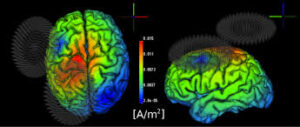
How strong is the magnetic pulse in TMS?
During a typical TMS session, patients often feel a tapping or knocking sensation on the scalp as the coil delivers pulses. Some may experience mild discomfort or temporary headache, especially in the first few sessions, but these side effects usually decrease as treatment continues and the body adapts to the stimulation. Many patients describe the sensation as unfamiliar but manageable. The strength of the pulse is individually calibrated during the first visit through a process called motor threshold determination, ensuring the treatment is delivered safely and at the correct intensity for each person’s brain responsiveness.
Sessions normally last between 20 and 40 minutes, and because the magnetic pulses do not impair cognitive functions, patients are able to return to work, drive, or resume daily activities immediately afterward. The controlled strength of the magnetic field and the precision of the targeted stimulation contribute to TMS’s strong safety profile, which is supported by years of clinical research and regulatory approval in many countries.
For those considering the therapy and searching for tms near me, speaking with a trained provider can help answer more specific questions about pulse strength, treatment customization, and expected results. Understanding how powerful yet safe the magnetic pulses are can give individuals confidence in exploring TMS as a potentially life-changing option.
In conclusion, while the magnetic pulses used in TMS are strong enough to influence brain activity at a therapeutic level—comparable in intensity to MRI technology—they are carefully controlled, precisely targeted, and designed to be both effective and safe. This combination of strength and precision is what makes TMS a promising treatment for those who have struggled to find relief through other methods, opening new possibilities for healing and recovery.